Insights
8/19/26
.svg)
Three designers, three journeys: Unpacking the process behind the practice
Design is rarely a linear path. It is a continuous exchange between instinct, observation, and spatial experimentation. Through the Your Vision Realized series, three practitioners across production design, civil engineering, and architecture share how they navigate their creative processes and turn complex concepts into physical space.
From translating sound into physical environments to engineering safe water infrastructure and mass-timber structures, their work shows how digital tools act as an extension of creative thought.
Sayoko Osada, Nick Mason, and Kailey Smith share their individual design processes and approaches to creativity. Together, their stories offer a glimpse into the different ways Trimble SketchUp supports and shapes creative work across diverse industries.


Sayoko Osada: Sound and vision
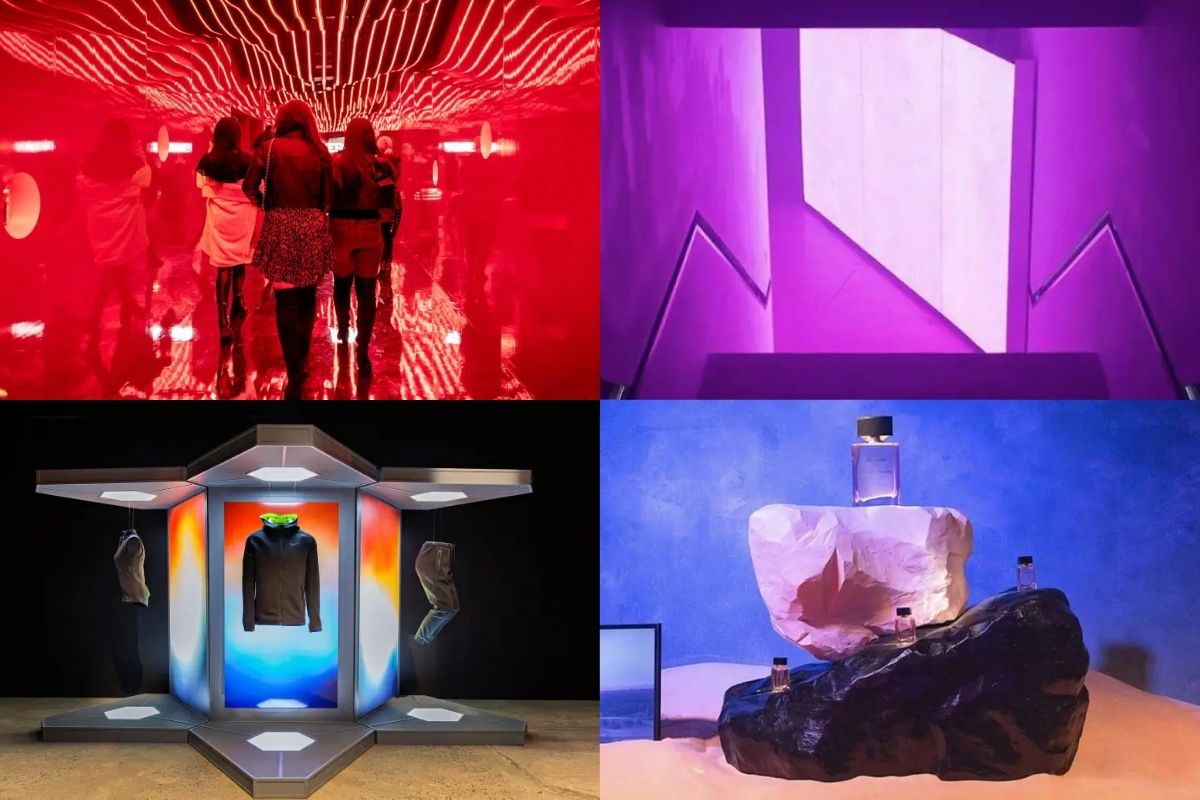
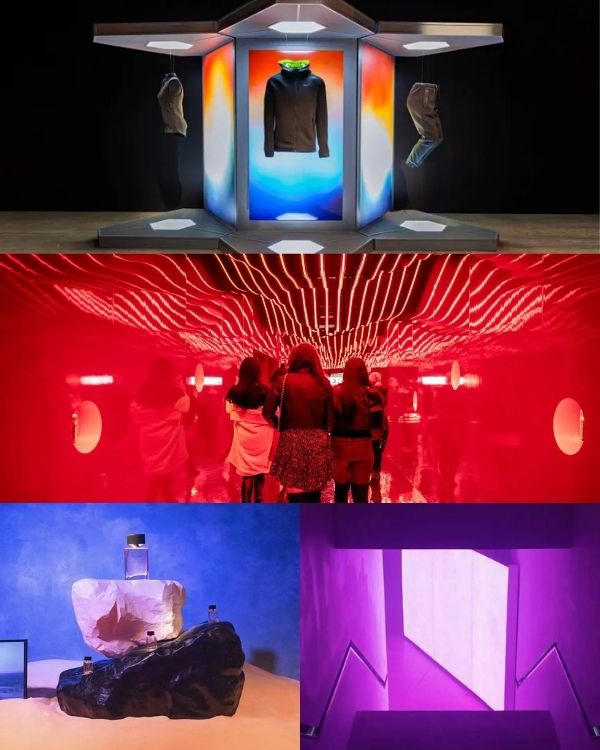
Operating between New York City and Tokyo, production designer Sayoko Osada creates immersive environments for musicians and global brands. Her work brings together architecture, music and sensory experience, translating instinctive responses to sound and space into visual worlds.
Sayoko studied architecture while also playing in an orchestra, an experience that continues to influence the way she designs. For her, music can trigger visions of buildings and spaces, with rhythm and sound becoming part of the language through which she develops them. Growing up in Japan also shaped her approach, particularly its emphasis on non-verbal communication and human-centered design. By anchoring her creativity to these principles and using SketchUp for the design process, Sayoko transforms environments into immersive narratives.
Synthesia inspires the design of immersive sensory-rich experiences, where space becomes a language for nonverbal communication.
Building a project in SketchUp allows Sayoko to see an idea take shape quickly and gives her collaborators a clear visual reference to work from. Rather than treating a design as a fixed concept from the outset, she uses the model to explore different possibilities and test ideas as the project develops.
Her process often starts with a raw massing layout and basic forms that establish the underlying structure of a scene. From there, she gradually develops the environment, refining elements such as materials, textures and the movement of characters through the space. SketchUp gives her the flexibility to revisit and reshape the model throughout the process, allowing the project's visual language to emerge.
Sayoko also incorporates SketchUp’s digital and AI-powered capabilities into her workflow. AI-assisted material tools help her create seamless textures within her models, while visualization features allow her to communicate early ideas more quickly. Combined with the ability to work and share designs in real time, these tools help her turn an initial idea into an immersive, collaborative vision.

Nick Mason: Creativity with real-world benefits
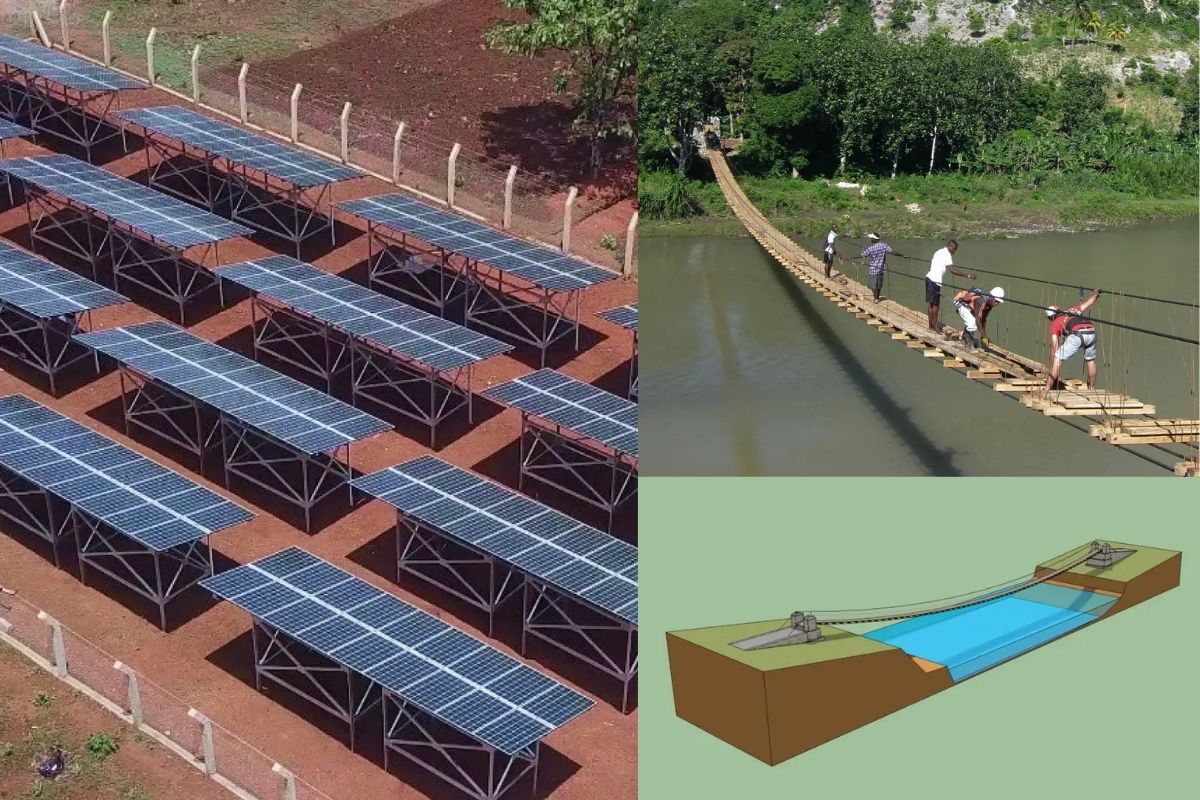
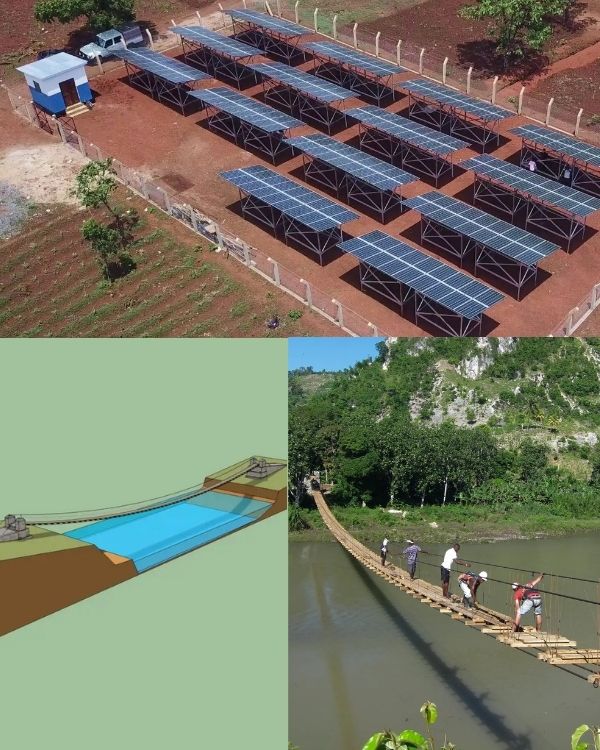
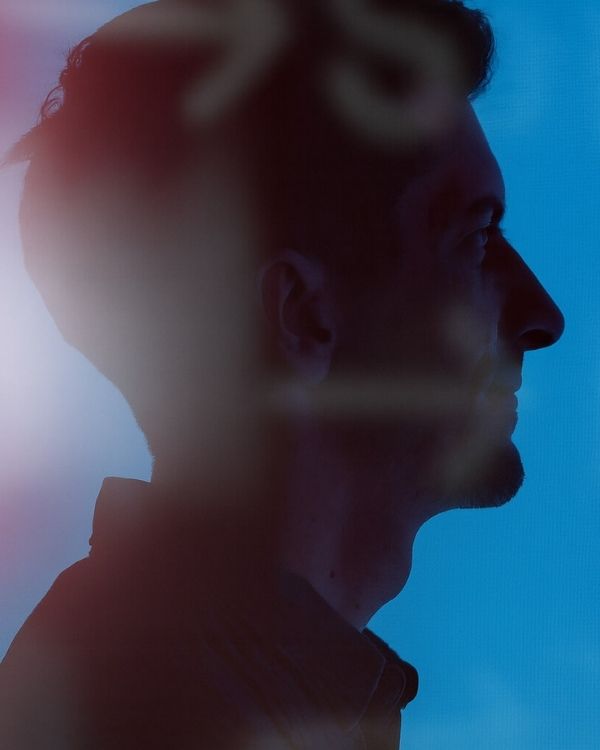
For civil engineer Nick Mason based in North Carolina, creativity is driven by purpose. Working in the humanitarian water sector, Nick applies his engineering expertise to designing infrastructure in challenging environments to improve access to safe water.
His approach combines technical problem-solving with a strong focus on communication. SketchUp allows Nick to turn complex engineering concepts into clear 3D models that can be easily understood by his collaborators, particularly as stakeholders can often speak different languages or come from different cultures and technical backgrounds. By creating a shared visual reference, he can explore ideas and identify potential challenges before construction begins.
Humanitarian sector projects come with a lot of urgency. They face the need to adapt rapidly to different environments.
Nick starts with simple diagrams and forms, gradually developing the model as he considers factors such as local construction practices and available materials. SketchUp gives him the flexibility to test different solutions and quickly adapt designs as new information emerges.
By making complex ideas more accessible and crafting visual stories that help teams work towards a shared solution, SketchUp supports Nick to turn his engineering expertise into practical projects that can make a difference in the world.


Kailey Smith: Balancing intuition and continuous learning
For Chicago architect Kailey Smith, creativity begins with observation. Her interest in photography has taught her to look closely at the built environment, paying attention to how it shapes everyday experiences. She brings this same curiosity to her architectural work - she views every project as an opportunity to learn, creating a continuous cycle of observation and refinement.
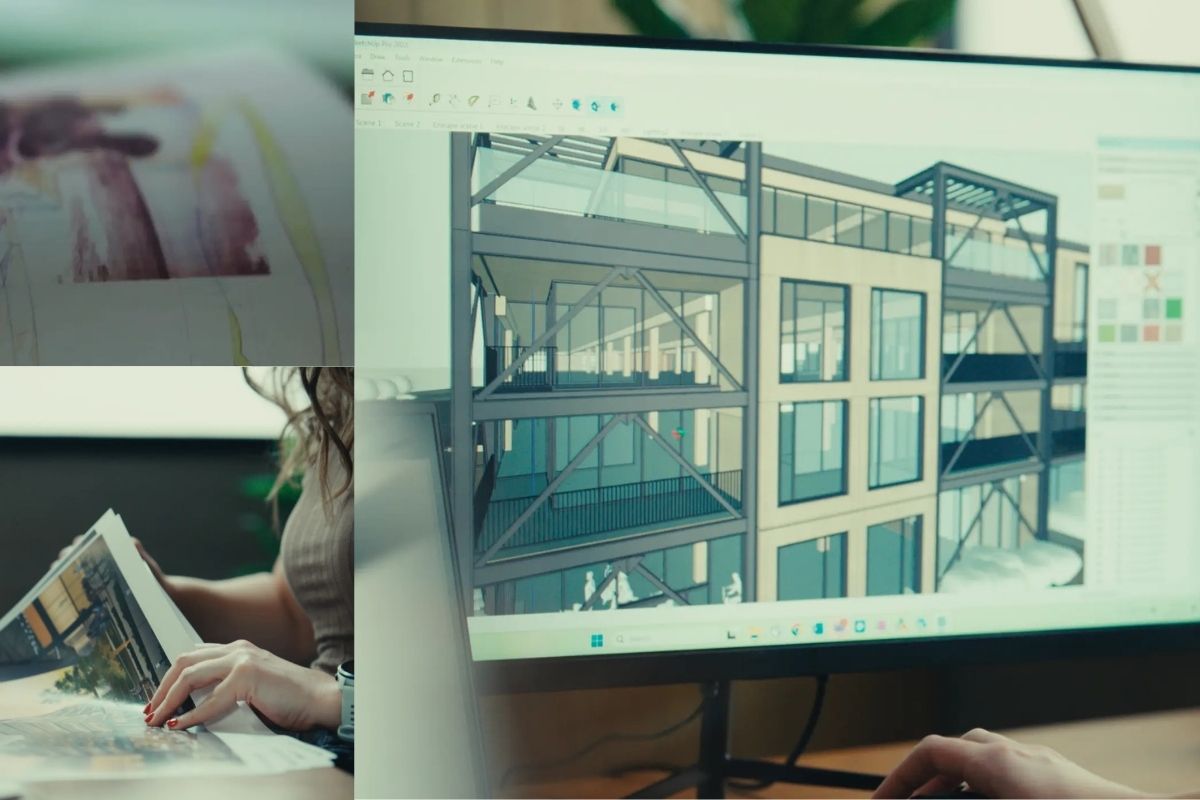
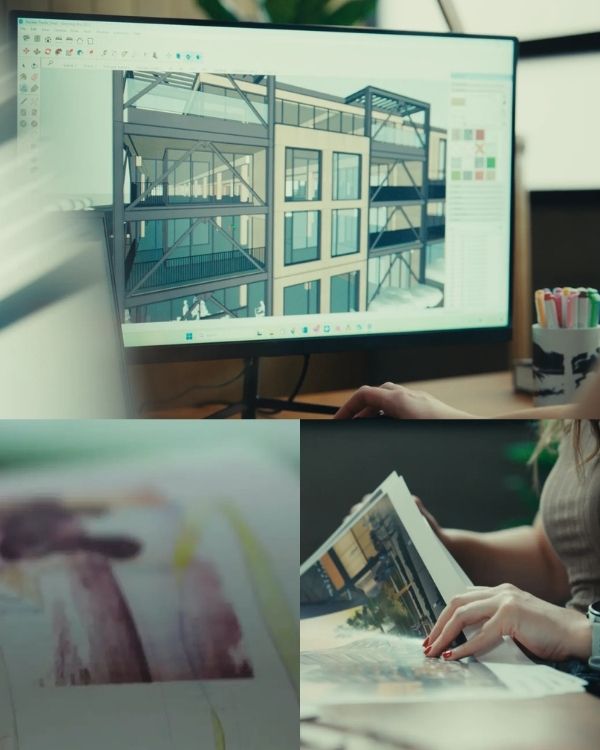
For Chicago architect Kailey Smith, creativity begins with observation. Her interest in photography has taught her to look closely at the built environment, paying attention to how it shapes everyday experiences. She brings this same curiosity to her architectural work - she views every project as an opportunity to learn, creating a continuous cycle of observation and refinement.
Kailey primarily works on heavy timber and mass-timber office buildings across the US, drawn to the material for its sustainability and construction efficiency. Her design process starts loosely, often with quick sketches and multiple ideas explored in parallel. She then brings these concepts into SketchUp, using it to test-fit spaces, explore variations and develop ideas quickly. Rather than committing to a single direction, she may create several versions of a design before combining the strongest elements into a final concept.
Architecture balances intuition and continuous learning.
Her commitment to learning also extends beyond her own practice. For almost seven years, Kailey has mentored high school students in Chicago through the ACE Mentor Program, introducing them to sketching techniques and accessible 3D modeling software such as SketchUp. Their curiosity serves as a reminder to stay open and imaginative, reinforcing the value of mentorship as a truly mutual exchange.
A Shared Mindset Across Disciplines
While their outputs vary wildly—from stage sets and water systems to mass-timber towers—Osada, Mason, and Smith share a common thread: using 3D modeling as a workspace to think, test, and iterate with intention. Digital tools serve not just to present a finished project, but as an active partner in the creative journey.